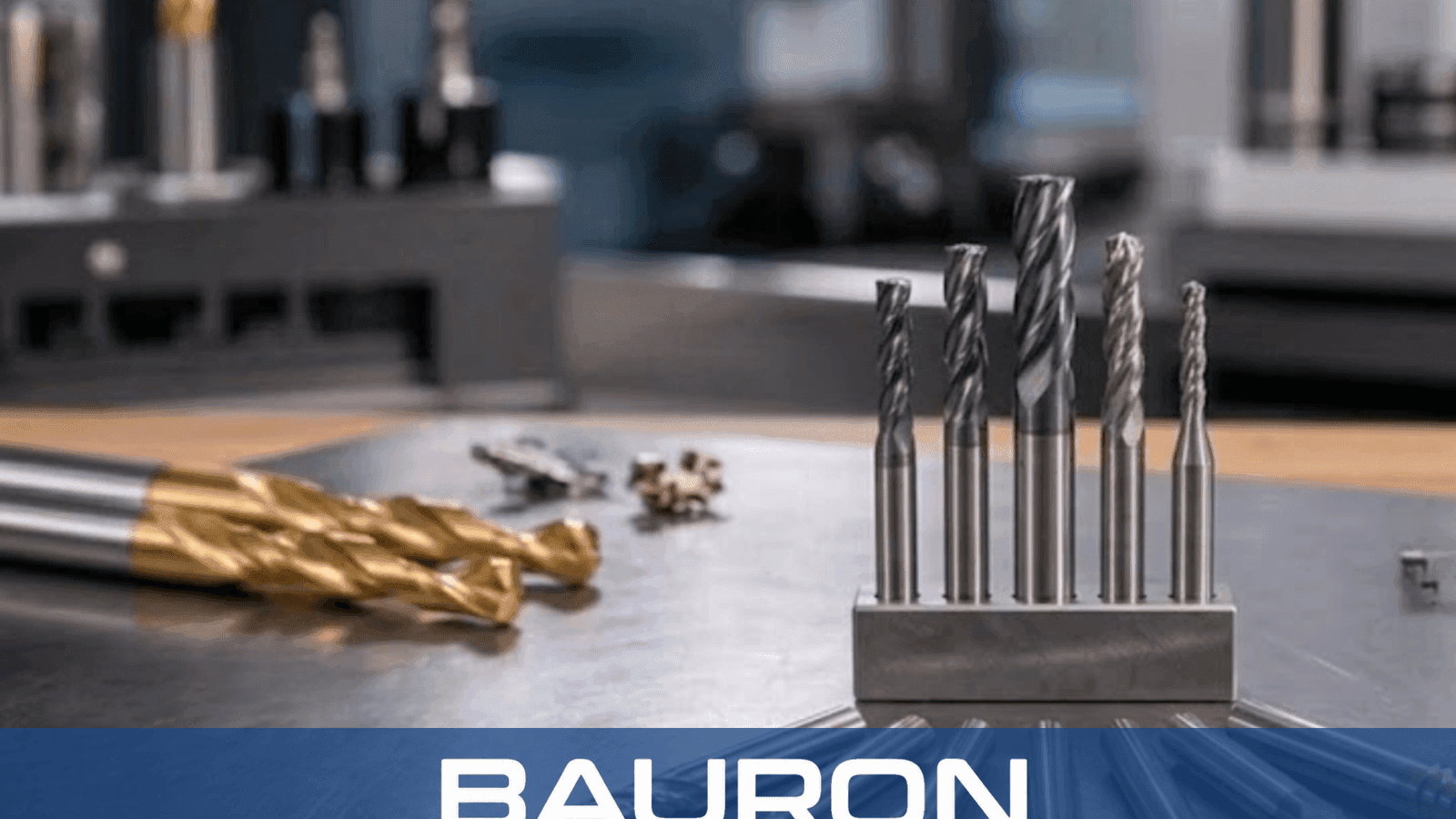
Radial Form Engagement
The tool feeds radially into shafts or bore cavities to cut full-radius keyways and seal seats.

A full radius keyseat cutter is a form cutter for slots with rounded concave bottoms rather than sharp 90-degree corners. Its 180-degree convex peripheral profile distributes contact through a continuous curve and forms the groove radius in one radial cutting path.
The tool feeds radially into shafts or bore cavities to cut full-radius keyways and seal seats.
The convex profile removes sharp slot-root corners and reduces local stress concentration.
Peripheral teeth form parallel side walls and a centered concave bottom radius.
The narrow neck clears adjacent shoulders during radial in-feed.
Rounded internal corners distribute load more gradually than sharp slot roots in torsion-loaded parts.
Precision profile grinding supports repeatable radius geometry across production parts.
High-rake peripheral teeth support clean slot walls and smooth groove bottoms.
Rigid tool geometry helps limit vibration during deep side-milling passes.
Available tool materials and coatings support alloy steel, stainless steel, titanium, brass, and engineering plastics.
| Specification | Range / Details |
|---|---|
| Cutter Diameter Range | 1/2" to 1-1/2"+; metric 12 mm to 40 mm+ available |
| Cutter Width (2 × Radius) | 1/16" to 3/8"+; full radius equals half the cutter width |
| Profile Form | 180° full convex radius geometry |
| Flute Count | 6 to 14+ peripheral teeth |
| Shank Style | Straight cylindrical or Weldon flat shank |
| Operation Type | Radial full-radius keyseat slotting, O-ring grooving, and fluid-channel milling |
| Material / Coating | Best For | Key Advantage |
|---|---|---|
| Solid Carbide | Stainless steel, titanium, hardened steels, and high-volume runs. | High stiffness limits deflection and supports controlled radius geometry. |
| HSS-Co (Cobalt) | Interrupted cuts, manual machines, and lower-volume job-shop work. | Shock toughness helps resist tooth chipping during demanding radial cuts. |
| TiAlN / AlTiN Coating | Tough alloy steels, cast iron, and high-heat dry milling. | Oxidation resistance helps protect peripheral teeth from friction wear. |
Solid carbide provides stiffness for production grooving, HSS-Co provides shock toughness for manual or interrupted cuts, and TiAlN or AlTiN supports high-heat ferrous machining.
Run automated full-radius slotting and O-ring grooving cycles.
Mill radial and axial full-radius keyways directly on turned shafts.
Produce custom round-bottom keyways in prototype and repair work.
Cuts round-bottomed keyways in high-torque drive shafts to reduce sharp-corner stress concentration.
Machines round-bottomed internal and external O-ring channels for hydraulic fittings.
Cuts smooth, rounded oil-routing tracks along bearing journals and shaft sleeves.
Prepares rounded retaining-ring seats in aerospace actuator components.
A standard keyseat cutter uses a flat peripheral profile to cut a rectangular slot with sharp bottom corners. A full-radius cutter has a convex cutting profile that forms a smooth 180-degree concave slot bottom.
Sharp internal corners can concentrate torsional stress and contribute to fatigue cracks. A full-radius groove distributes stress through a curve, reducing the slot-root concentration when specified by the component design.
No. These tools are non-center-cutting and are intended for radial in-feed and side milling. Position the cutter outside the workpiece or in a prepared clearance area before feeding radially.
The source defines the full radius as half the total cutter width. For example, a cutter with a 0.250" face width has a continuous 0.125" convex radius.
Bauron can review custom head diameters, face widths, neck-clearance lengths, and application-specific TiAlN coatings based on manufacturing drawings.
Bauron provides design and engineering support for custom geometries, specialized coatings, and application-specific full-radius keyseat requirements.
Talk to Engineering