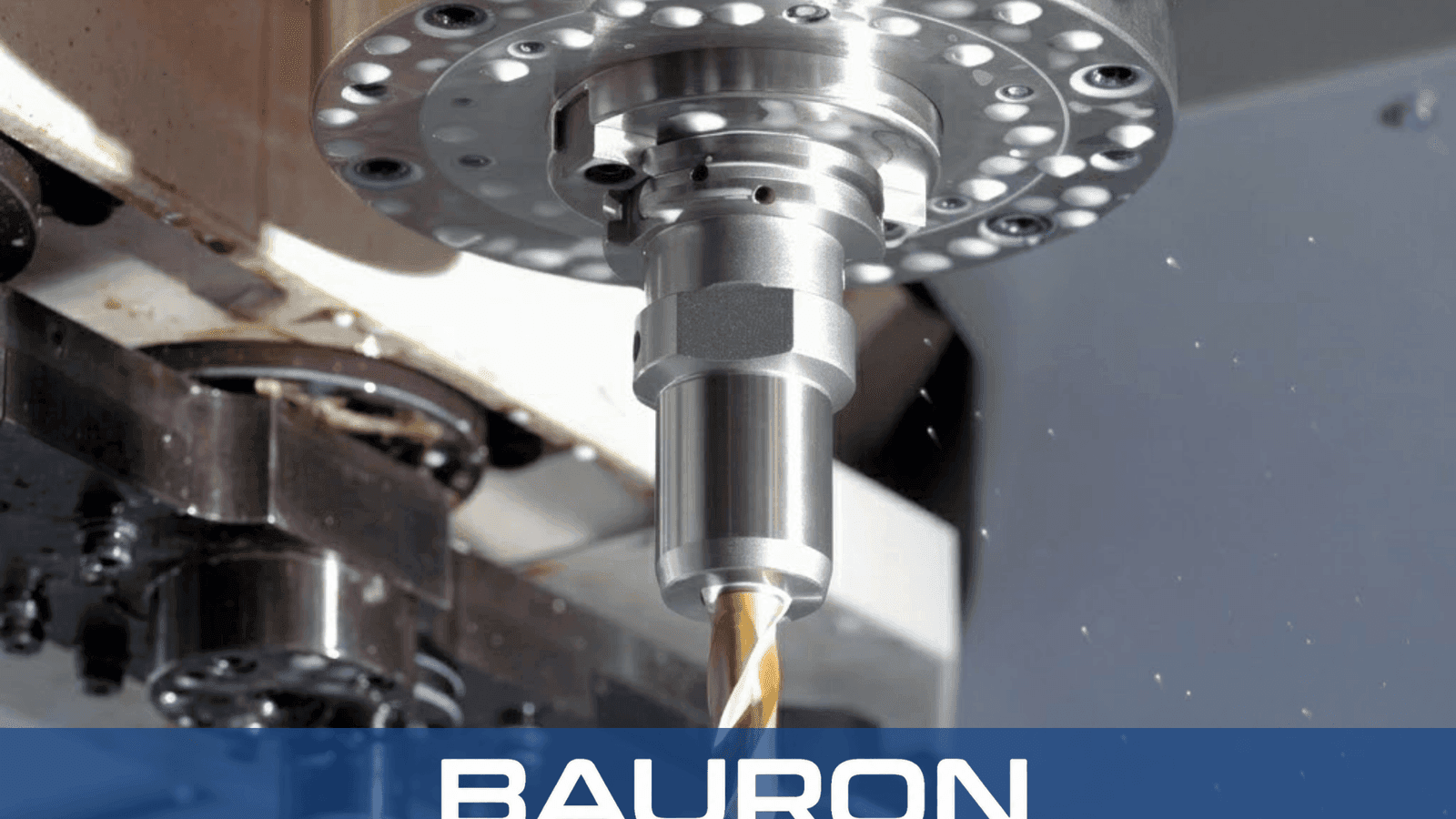
Reach-Through Entry
The tool enters a pre-milled square channel or relief slot without contacting the sidewalls.

A dovetail cutter is a form-milling tool for undercuts and trapezoidal slide channels. Its major cutting diameter is at the flared tip behind a narrower neck, allowing it to shape dovetail joints after entering a pre-machined relief slot.
The tool enters a pre-milled square channel or relief slot without contacting the sidewalls.
Flared teeth cut laterally into the channel walls to form 45° or 60° dovetail angles.
The profile creates matching male and female channels for machine ways, toolholders, and slides.
Optional corner radii or chamfers at the tooth tips help reduce chipping and workpiece stress risers at the slot root.
Cuts matching trapezoidal slide angles in one lateral milling pass after slot preparation.
The solid core helps limit deflection and chatter during side-load undercut cuts.
Ground angular teeth support smooth walls for controlled sliding contact.
Standard 45° and 60° included angles are supplemented by custom tapers.
Available flute configurations balance tooth density and chip clearance in confined channels.
| Specification | Range / Details |
|---|---|
| Cutter Diameter Range | 3/8 in to 2 in+; metric 10 mm to 50 mm+ available |
| Included Angles | 45° and 60° standard; 30° and custom angles available |
| Flute Count | 4, 6, or 8 flutes |
| Shank Style | Straight cylindrical or Weldon flat shank |
| Corner Profile | Sharp corner or precision corner radius |
| Operation Type | Internal undercut slotting and trapezoidal slide milling |
| Material / Coating | Best For | Key Advantage |
|---|---|---|
| Solid Carbide | Stainless steel, titanium, hardened tool steels, and cast iron. | Stiffness helps reduce tool tilt and chatter in narrow undercut channels. |
| HSS / HSS-Co | Interrupted cuts, soft steels, and manual machine setups. | Shock toughness helps resist tooth chipping during interrupted or manual milling passes. |
| TiAlN / AlTiN Coating | Tough alloy steels, high-temperature metals, and dry milling. | Thermal oxidation resistance helps protect the outer flared teeth. |
Solid carbide supports rigid cutting in hard materials, HSS or HSS-Co offers toughness for interrupted and manual work, and TiAlN or AlTiN helps manage thermal wear.
3-, 4-, and 5-axis centers perform automated dovetail slotting and fixture preparation.
Knee mills use dovetail cutters for slideway fabrication and regrinding work.
Machine slideways on large industrial equipment bases.
Machines dovetail guides for lathe beds, mill tables, and linear-motion stages.
Cuts trapezoidal clamping tracks for CNC tool blocks and fixture plates.
Prepares dovetail stock bases for 5-axis vise jaws and machining fixtures.
Machines trapezoidal interlocking slots in structural components.
The narrow neck and flared head prevent direct plunging into solid metal. A rectangular relief slot removes the center material so the cutter can enter and machine the angled walls.
Use a rigid cutter, minimize overhang, reduce radial depth of cut, set an appropriate chip load, and clear trapped chips with cutting fluid or air.
The included angle determines the trapezoidal wall form. The source identifies 60° for general machine slideways and fixtures, while 45° is used for lower-profile workholding bases and compact slides.
Yes, but grinding the peripheral teeth changes the major diameter. CAM offsets must be updated after regrinding to maintain slot dimensions.
Bauron can review non-standard included angles, neck lengths, corner radii, and application-specific coatings from workpiece drawings.
Bauron provides design and engineering support for custom geometries and coating selections. Share the slot profile, material, tolerances, machine, and production requirements for technical review.
Talk to Engineering